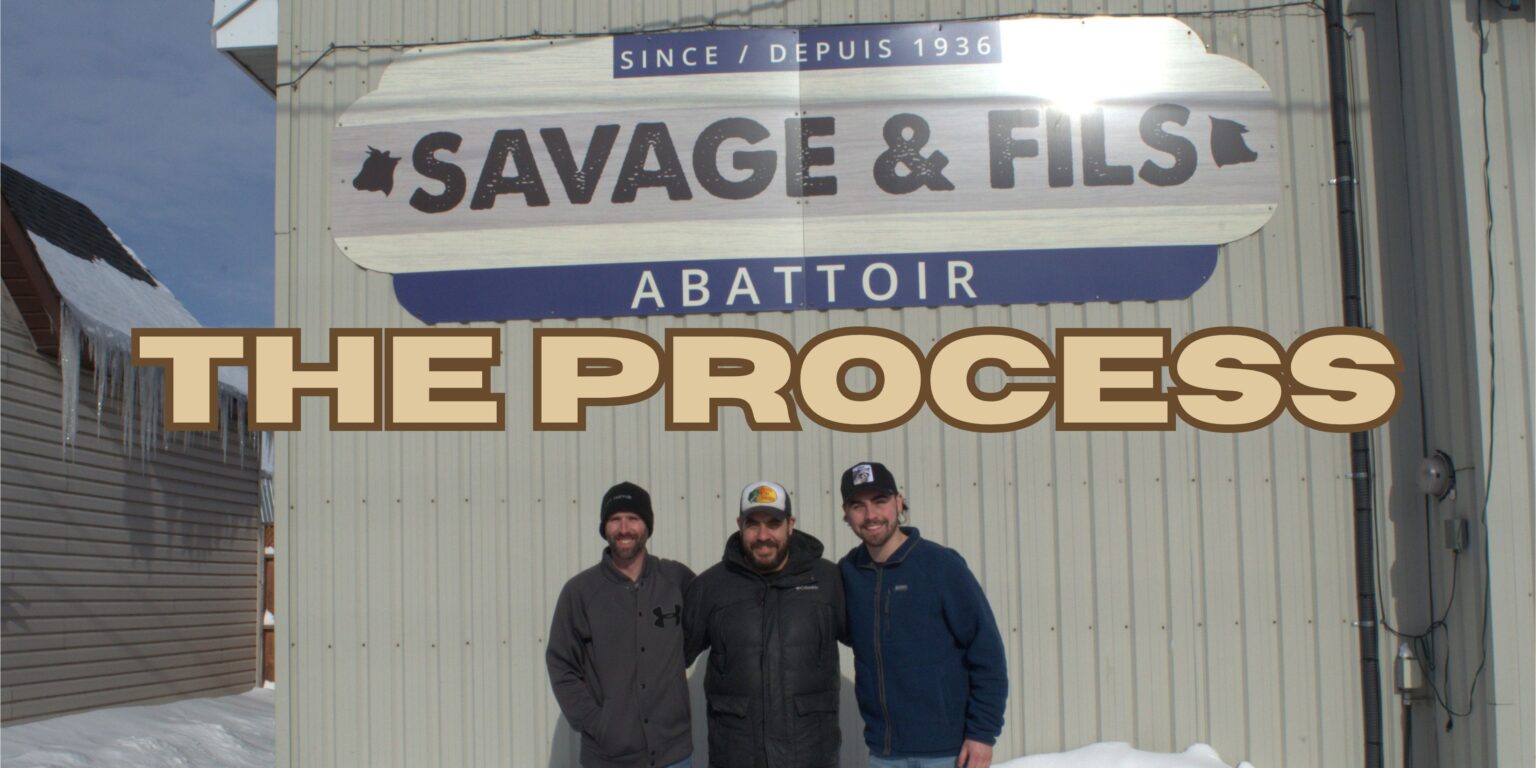
Savage & Fils Abattoir is a slaughterhouse in St. Albert, Ont., that has been in business for 90 years. The current manager is Maxime Savage, who works with his son, Zachary. Savage’s great-grandfather founded the abattoir.
Today, the father-son duo still processes beef from farmers in their community. But government involvement is a frustration for Savage & Fils. Because of different inspection practices and interprovincial trade regulations, the abattoir is not allowed to sell to Quebec.
“Because of the government, we can’t sell to Quebec and vice versa. In Ontario, our inspection is way harder and by law, if someone in Quebec left their beef here, by the letter of the law, it can’t go anywhere,” said Savage.
Abattoirs are businesses that rely on farmers, and farmers rely on them to process the cows they raise. They are an essential step in the food production chain, and the job is as interesting as the meat is tasty.
The first thing abattoirs do is get the animals from the farmers they work with. This is a process at Savage & Fils that is scheduled far in advance. Savage explained that orders need to be placed at least a year in advance.
“When I first started here with my dad, we were working seven to seven, eight to four on Saturday, making crazy hours in January, and there was nothing to be done for work,” said Savage.
“But then I told my dad, maybe we should just spread the word all year long. So, the next thing you know, we’re booking a year ahead. We are planning our vacation accordingly because when we’re missing one guy, it’s a lot.”
Once the cows are in the abattoir, they are killed and then butchered into what the order demands. The order is shipped to a grocery store or another more specialized butcher.
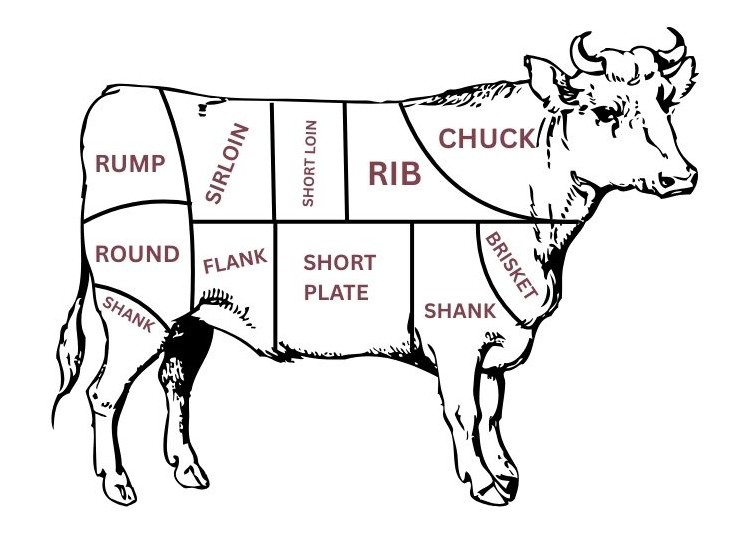
Savage & Fils processes over 600 cows a year; their days are full of killing, cutting, and packaging meat from farmers and getting it to the stores.
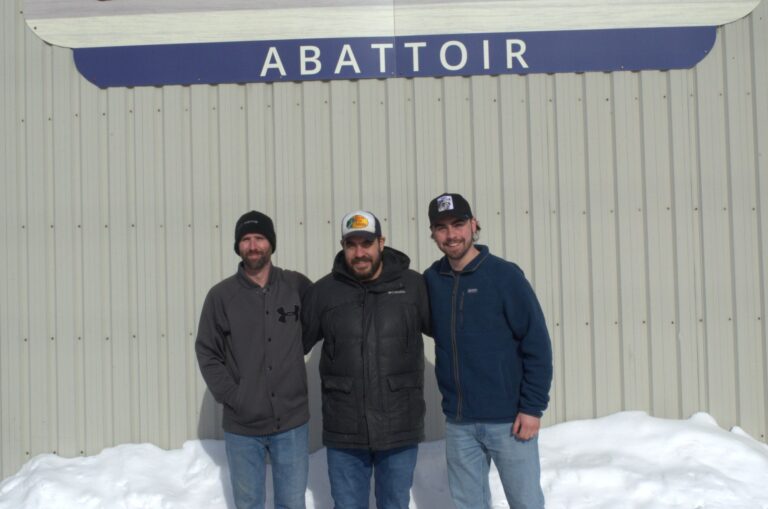
Savage loves what he does, but he admits that the work isn’t for everyone. “It’s hard work. We work eight-hour days, and you know, not everyone is comfortable being around death like that,” he said.
Savage added that the industry is struggling to replace the main workforce of abattoirs as workers approach retirement age.
He says youth are more interested in professional trades like electrician work and plumbing.
“They’re going to make 40-45 bucks an hour, and you come here, you’re never going to get that kind of money.”
Despite the challenges, Savage and his son Zachary are in good spirits about their work and what they do. They take pride in providing their community with food and continuing the tradition of being a family that feeds their neighbors.