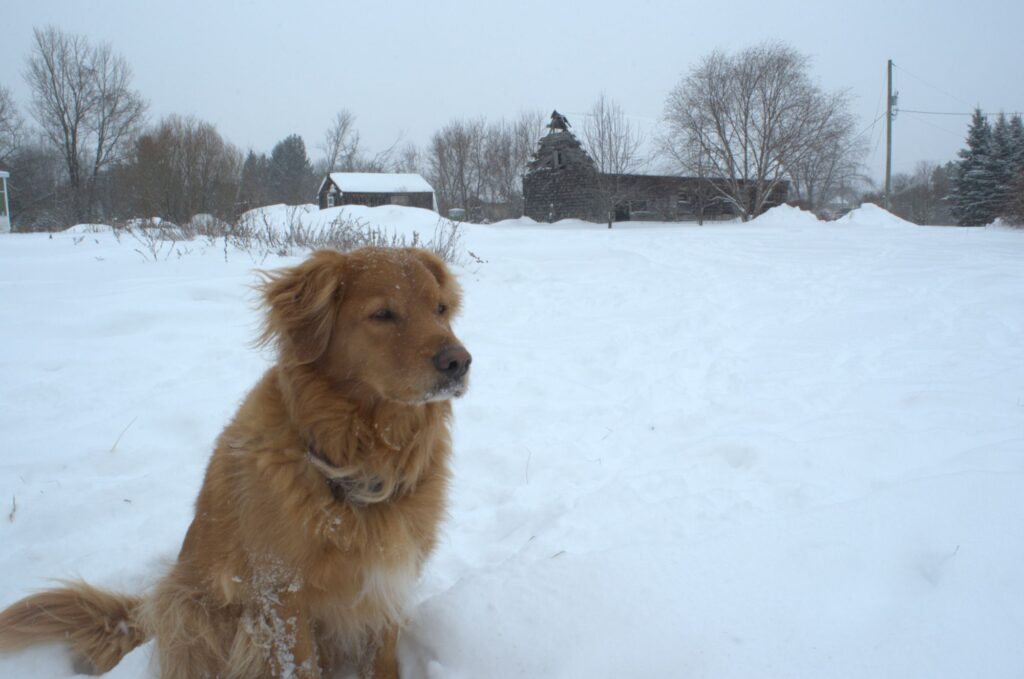
Nestled between Manotick and Greely lies a farm that’s been owned and operated by one family for four generations.
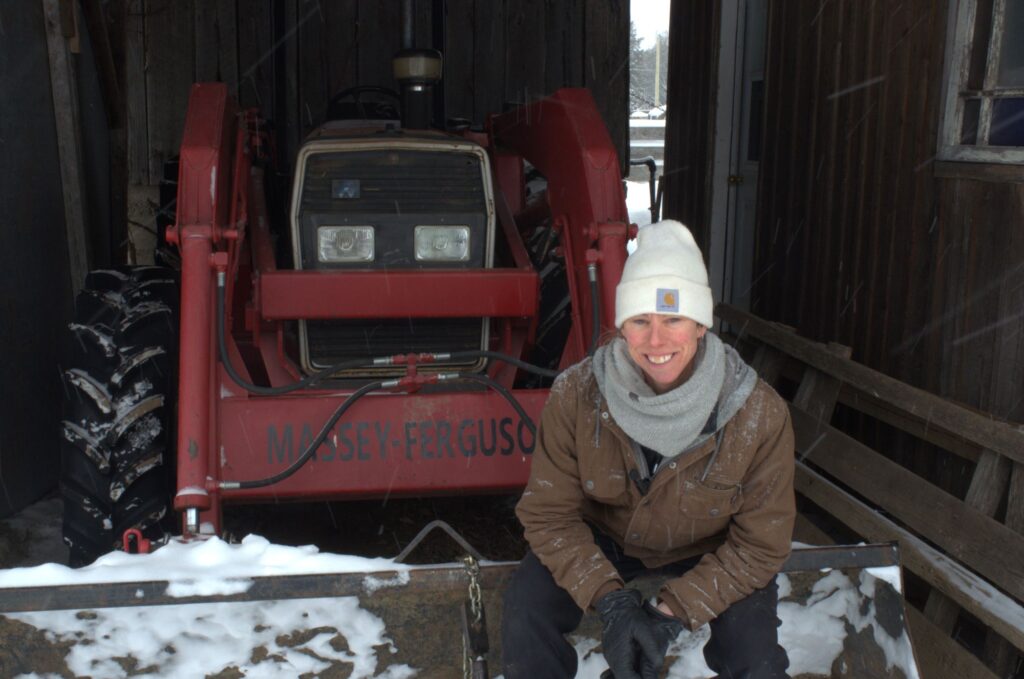
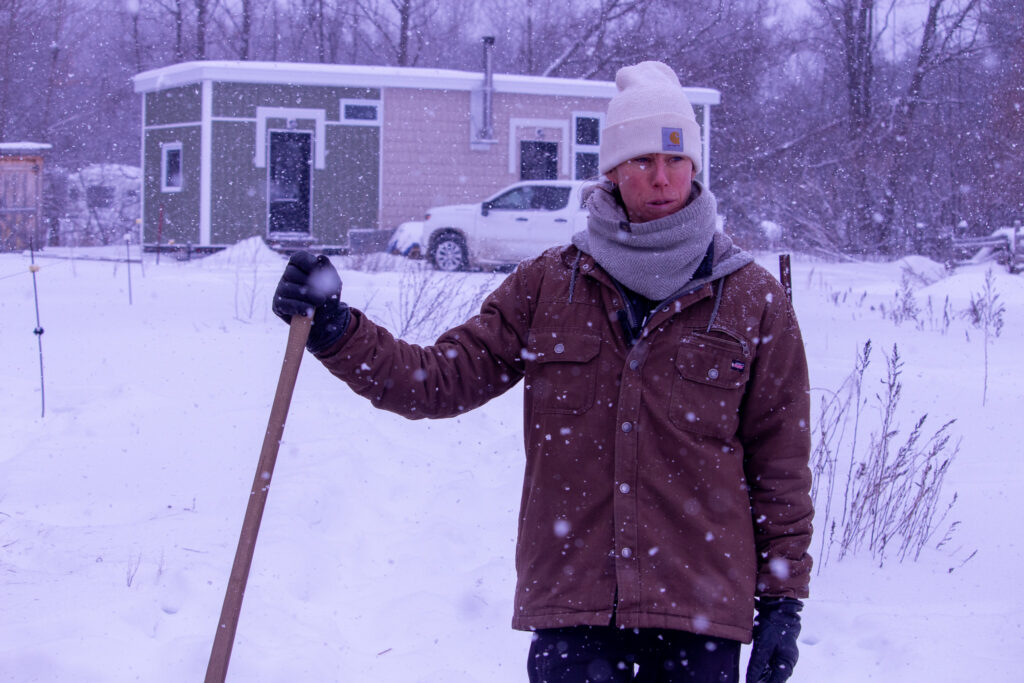
Amber Payne runs Arc Acres, a local cattle farm producing beef and pork for the Ottawa community.
Before she became a farmer, she studied nutrition. In her journey to becoming a holistic nutritionist, she realized she was not satisfied with the food being sold in commercial grocery stores.
“It led me back to the farm because I wanted to produce food, I just couldn’t find food that I wanted to consume,” said Payne.
Now, Payne raises cows and pigs, with a focus on producing nutrient-rich meat in a regenerative way.
She also values having as little waste as possible throughout the farming process. A cow that does not have great meat for cuts will be used for ground beef, and bones are used for soup broth.
The farm runs on a community-supported agriculture model, which “consists of a community of individuals who pledge support to a local farming operation,” according to Arc Acres’ website.
This means clients pay a deposit on their meat, which supports Payne in her work raising the animals. In the fall, the meat will be ready for pickup at Payne’s farm, the Metcalfe Farmers’ Market and the Ottawa Farmers’ Market.
Ryan Dekker is a regenerative farmer who runs Sun Dynasty Farm in Ottawa. He also sells his quail eggs at the Ottawa Farmers’ Market at Lansdowne.
Dekker believes that his methods deliver a more nutritious product compared to what’s available in grocery stores.
“Depending on what you feed an animal, like a chicken, a quail, a duck, whatever, it will change the colour of the yolk,” said Dekker.
His birds are grass-fed, a diet choice which Dekker believes to be the best option for them.
“When they eat greens, it changes the yolk from being a pale colour to a nice, rich orange or deeper colour,” said Dekker. “Also, if you don’t feed corn or soy, if you only feed wheat, the yolk is much whiter.”
According to an independent study conducted by Nutrafarms in Barrie, Ont., “compared to chickens raised indoors, pasture-raised chickens offer meat that’s richer in Omega-3 fatty acids, vitamins, and minerals.”
Dekker believes that pasture-raising animals is better for soil health and ultimately grows healthier animals, which offer higher nutritional value.
“So, regenerative farming is about using live animals and rotating them on the fields to rejuvenate the life and the soil and the nutrients,” said Dekker. “We’re actually putting back instead of taking. We’re trying to put more than we can take.”
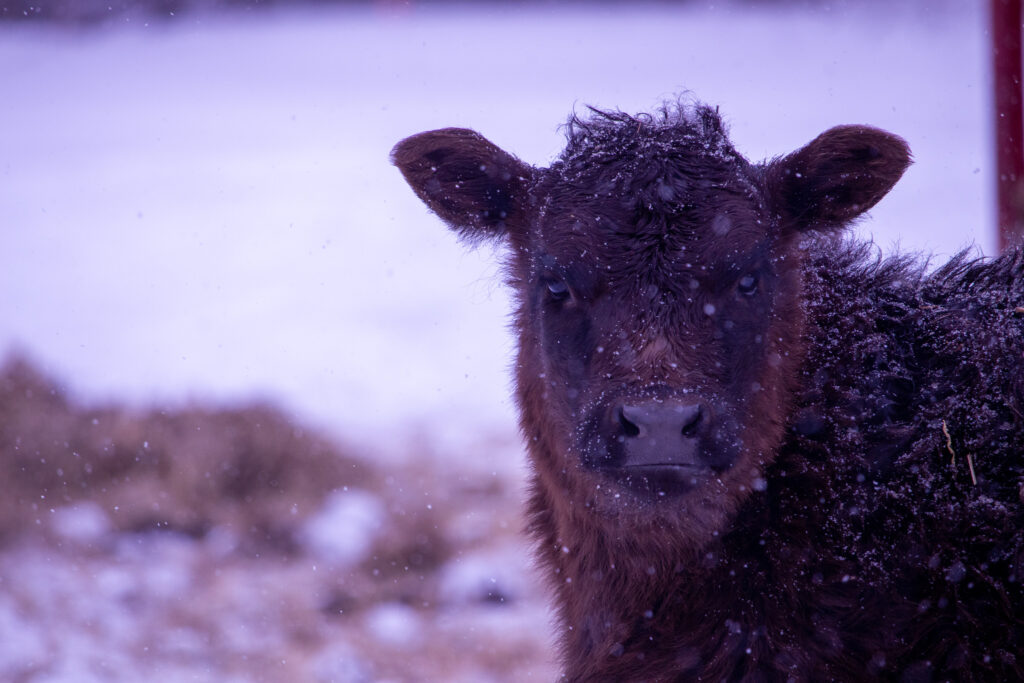
Payne’s cattle are also grass-fed, and they move around the pasture, implementing rotational grazing techniques.
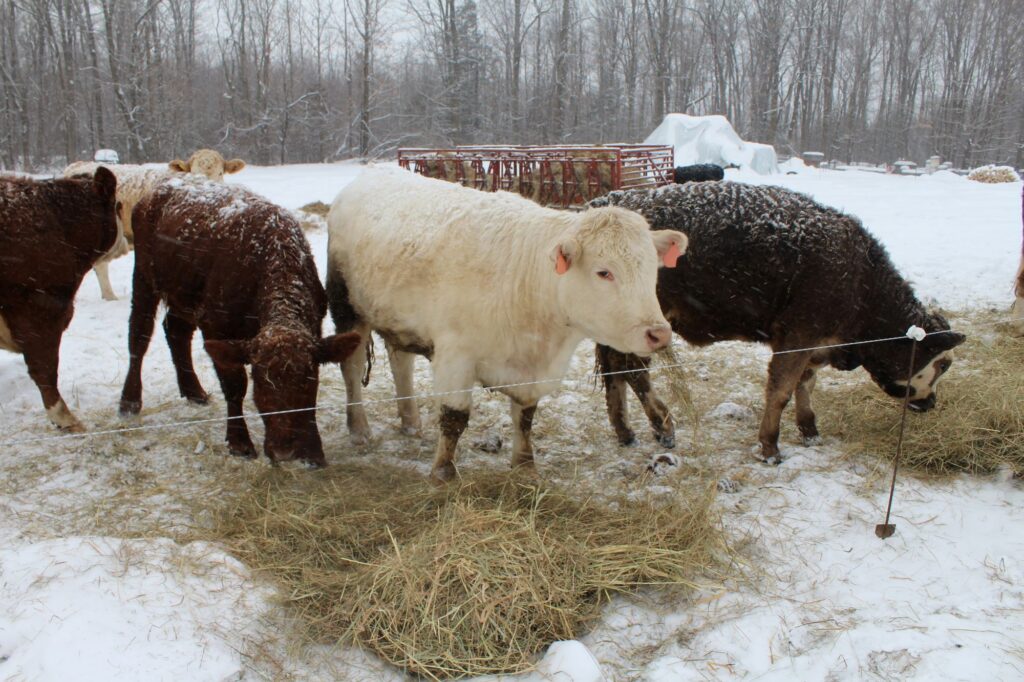
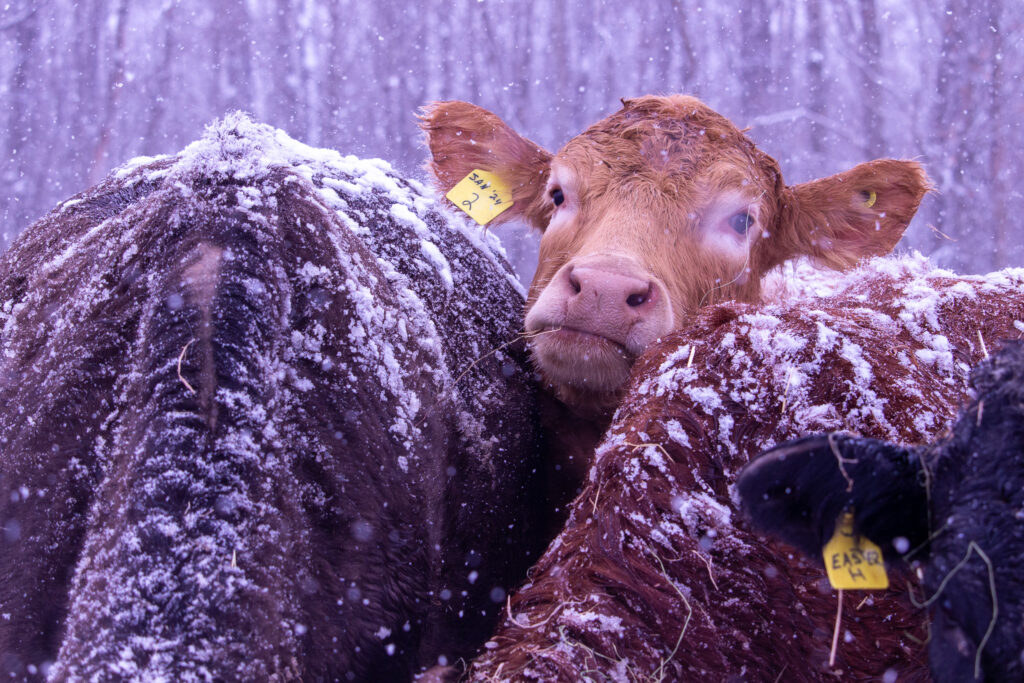
In the winter, the cows live outside off hay.
“So these (cows) get fed a bale of hay every three or four days. So that is plugging in the tractor, letting it warm up for a couple hours, digging out some hay,” said Payne. “They get watered every day, so that’s pulling out a hose and putting it away, because things freeze up really quickly.”
On top of the physical labour that comes with running a farm on your own, Payne says the business is not easy to navigate financially.
“You do get tax breaks, but not so much in Ontario for beef farming. We’ve lost a lot of our beef farmers here in Ontario to Quebec because the land’s significantly cheaper,” said Payne.
She also worries about the future of the farm. Once she inherits it from her father, she will have to pay the capital gains tax.
Yet every morning, she wakes up knowing the farm, the animals and the people who support her business need her. While the job has its ups and downs, Payne is fulfilled by the work she does for the land and her community.
“I’m at the abattoir, working, cutting my beef that’s been hanging in the fridge for two weeks, and my animals come in,” said Payne. “They get killed in the room next door and one minute I’m crying, I’m grieving for that animal, and then the next day I’m feeding four-year-old kids that I get to watch grow.”