Cutting out nonsense, bulking up on facts.

The importance of nutrition is undeniable for overall health both mentally and physically


Eating well is something we should all strive for to the best of our abilities for this reason, but the approach to healthy eating differs depending on goals.  
Anybody who has dipped so much as a toe into this world of goal-based dietary changes knows how maddening it can become.  
To simplify the matter, at least for now, lets look at the extremes: cutting vs. bulking. 
 So, before anything else, what do these terms mean? 
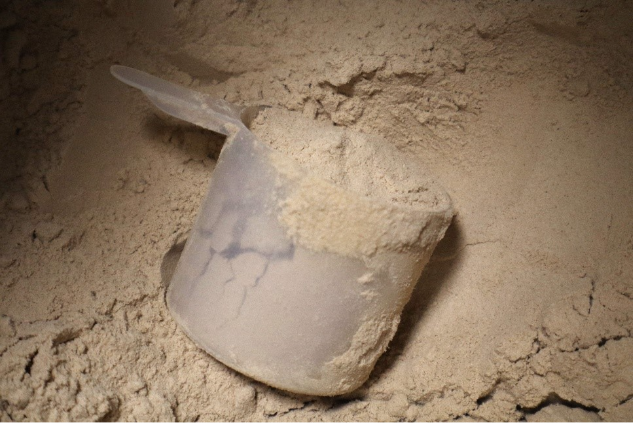
Cutting: eating in a calorie deficit to lose weight, specifically fat, while maintaining as much muscle mass as possible. 
Bulking: eating in a calorie surplus to take in more calories than you burn daily to put on weight, with the main goal usually being an increase in muscle mass. 


Looking at just these terms as two simplified ways of approaching a new diet can make changes a little less daunting, at least compared to obscure diet trends that can sometimes be unhealthy. 
Instead, approaching cutting or bulking in a moderated way that is reliable and sustainable is what I will cover today. 
 
To start, before engaging in cutting or bulking, you need to determine how many calories you need to sustain your current weight, there are many available online if you can’t access a medical professional—having a professional to help guide this process is ideal, but it may not be an option for everybody—So if that isn’t an option, the online calorie calculator by Healthline is a great option.  
Once your maintenance level is found, then the process can begin.  
“If you want to go on a deficit, a 250 to 500 calorie deficit would be good,” Christina Saydé, an Algonquin College student in the fitness and health promotion program said.  
The same goes for a bulk in taking in a surplus of 250 to 500 calories on top of your maintenance levels, but it can’t just be anything you are eating, there are dietary goals that need to be hit to ensure muscle growth or maintenance during a bulk or a cut.  
“Basically, don’t forget your protein and your carbs. Despite people saying carbs aren’t good for you, they’re really good, your brain needs it to function for energy and everything for your workout,” Saydé said. 
 
Okay, now that you know the basics of how many calories to ingest when you are attempting to go n a cut or a bulk, how much protein should you be taking in?  
According to an article published on Springer Nature, an intake of roughly 0.6 to 1.4 grams of protein per pound of body weight combined with resistance training is ideal to maintain or build muscle mass. 
 
Now that the important information is out of the way, you might still be wondering where to go beyond this.  
Personally, I would say that varies person to person.  
Eat what works best for you to stick with a diet long enough to see results while staying within the caloric and protein intake recommendations listed above depending on your goals. It doesn’t have to be much more difficult than that if you feel healthy and ensure you are getting all the essential nutrients your body needs to function.  
Grace Murray, a member of Anytime Fitness, spoke to this view that it doesn’t have to be a scary process.  
“Don’t let the fear of starting a new diet stop you from trying to make that change,” Murray said. 
 But if you need more help to maintain this or come up with a diet regiment, that is okay!  
Just here in Ottawa there are many ways to go about this, one that stands out as a respected and trustworthy approach would be Caven Nutrition.  
Caven Nutrition is a service in Ottawa run by expert nutritionists that has very high reviews online with many people speaking about success stories they had with the staff.  
“Contacting Caven Nutrition was one of the best decisions I have made,” one reviewer wrote.