The stigma on women’s health and fitness can end with educating
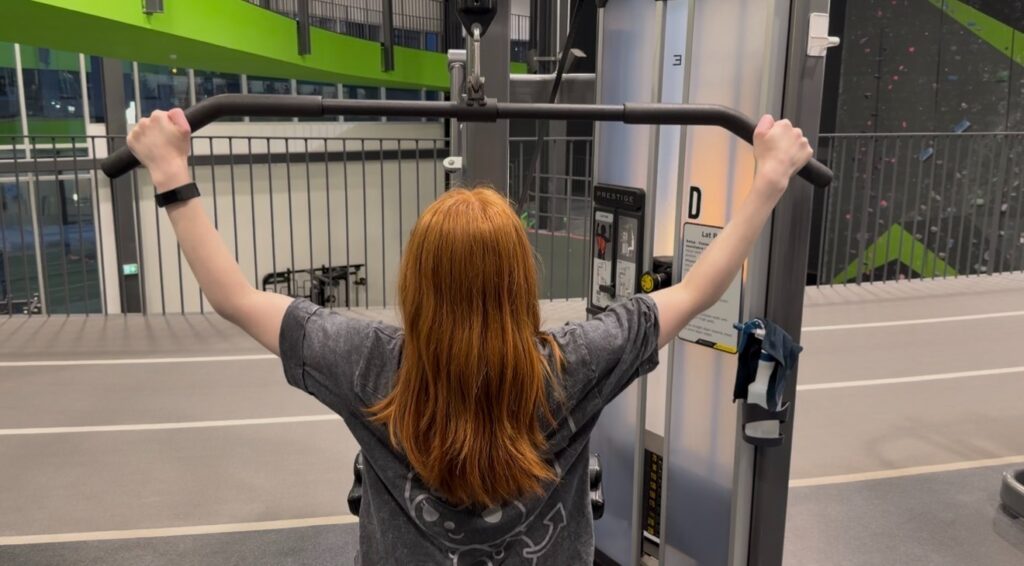
Exercising during menstruation can ease symptoms and help maintain consistent fitness routines.
Maria Khabid no longer lets her menstrual cycle completely stop her from going to the gym.
The 22-year-old Ottawa gym-goer has been working out consistently since Grade 9.
What started as a way to stay active in high school gradually became part of her routine. Over time, she learned that her period did not have to mean a week off from exercise.
“In the beginning, I used to skip the gym entirely when I was on my period,” Khabid said. “I felt tired and uncomfortable, so I thought it was better to just rest.”
As she became more experienced, Khabid began experimenting with lighter workouts during her cycle. Instead of heavy lifting sessions, she now opts for incline walking, stretching or lower-weight strength training during the first few days of menstruation.
“I don’t push for personal records that week,” Khabib said. “If I’m cramping, I’ll lower the intensity.”
According to Flo Health, light to moderate exercise during menstruation may help reduce cramps, boost mood and decrease fatigue due to increased blood circulation and the release of endorphins. While experiences vary, the health resource notes that movement can be beneficial when adjusted to individual comfort levels.
Joan Leon, a personal trainer at GoodLife Fitness in an all-women’s gym within Ottawa, said many women are surprised to learn that they can safely remain active during their period.
“A lot of clients assume they should avoid working out completely,” Leon said.
“In most cases, your body can still move, it just might not feel the same as other weeks.”
Leon encourages clients to track their menstrual cycle to better understand patterns in their energy levels and strength.
“I always recommend using apps like Flo or Clue to track your period and overall health,” Leon said.
“When clients log their symptoms and energy levels, we can see patterns and plan workouts around them instead of guessing.”
There is also a broader cultural shift needed in how menstruation is viewed.
“Society often teaches women to organize their period around their entire lives instead of learning how to prioritize and understand it,” Leon said.
“When you understand how your hormones function throughout the month, you can make informed decisions about training, rest and recovery.”
Leon added that this awareness is essential not only for clients but for trainers as well.
“If we ignore that piece, we’re missing a big part of women’s health and performance,” Leon said.
Leon often suggests gentle cardio, such as walking or cycling, to help alleviate discomfort for some clients.
Khabid can attest to those workouts, particularly when it comes to easing day-to-day cramps during her menstrual cycle.
“I used to think missing a week would ruin my progress,” Khabid said. “Now I’ve been able to wrap my week around cardio so that movement is still happening.”
“There’s no one-size-fits-all plan,” Leon said.
“The key is understanding your body and giving yourself permission to adjust.”
For women balancing work, school and other responsibilities, that flexibility may be what keeps fitness sustainable every week of the month.
More information regarding the female body and fitness can be found here.