Johnson said the increase in traffic in her ward has put the preexisting transit infrastructure on the brink. And as the city is projected to grow by more than 400,000 by 2046, Johnson fears her ward’s infrastructure won’t be able to keep up with the growth.
“College ward is in the centre of the city. We’ve had suburbs grow up all around us with Kanata and Stittsville growing much more rapidly than College Ward. And the pressure on our transportation network from all of those people driving is easily felt”, said Johnson.
“I mean at peak rush hour, it’s really hard to get around. And people deserve an alternative, a viable alternative, that’s affordable and keeps their costs down. And get them where they want to go faster and reliably. And on time.”
Johnson believes a solution to some of these transit issues could be the Baseline Transit Corridor Project. The project which was approved by city council in 2025 plans is to make a dedicated bus lane on Baseline, taking the buses out of traffic to improve congestion on one of the city’s busiest roads.
Jennifer Armstrong, director of transportation planning for the City of Ottawa, said the project is a top priority under the city’s long-term plan. “The Baseline Transitway (Algonquin College to Billings Bridge Station) is the highest priority rapid transit project in the City’s Transportation Master Plan,” said Armstrong.
Armstrong said the corridor is designed to improve service by separating buses from traffic.
“The Baseline Transitway is designed as a median transitway, providing buses with dedicated space and physical separation from general traffic,” said Armstrong. She added that the city estimates the project would save between four and 13 minutes per trip during weekday peak periods.
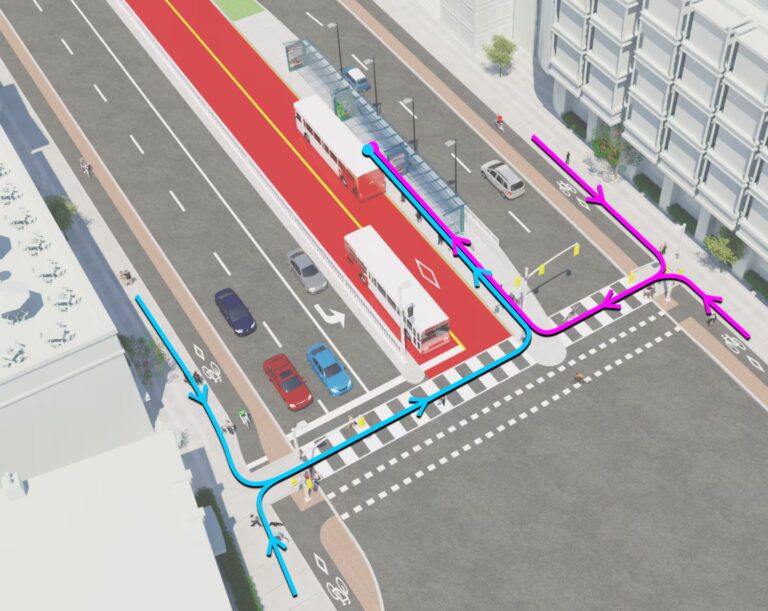
The proposed project will extend from Heron Station to Bayshore station along Baseline Road. This route is one of the most frequently used in the city and buses including Route 88 face overcrowding and erratic arrival times.
Enrique Guzman, a Mechanical Engineering Alumni from Algonquin college is hopeful that the Baseline transit corridor will improve his commute. “People who live where I live, you have to either take the 88 to Hurdman and then hop on the train or go to Baseline and then take a bus to Tunneys, you know. So it’ll make it a lot easier,” said Guzman.
Baseline Road’s primary intersection exhibits a baseline annual average daily traffic (AADT) exceeding 30,000 vehicles.
![[aria-description]](https://datawrapper.dwcdn.net/tvRna/full.png)
Algonquin photography student Bruno Luten thinks the corridor could help his commute. “Investing in bus rapid transit is important. I think it’s essential especially for buses like the eighty-eight. It is very important,” said Luten.
The Transportation Trend Report states that during rush hour, driving times increase much more than transit times. This makes taking the bus or train a better option when roads are congested.
For those travelling on major roads such as Montreal Road or Baseline, traffic congestion adds five to 13 minutes to transit travel times compared with clear conditions.
“We know from data that’s been shared at the Transit Committee that one of the key causes for delayed routes is traffic congestion,” said Gower. “Adding bus-only lanes so that on our busiest corridors, the buses aren’t competing with traffic and have priority to move quickly. Baseline is in the top 10 of busiest bus corridors in the city. So that’s definitely a big one to address.”
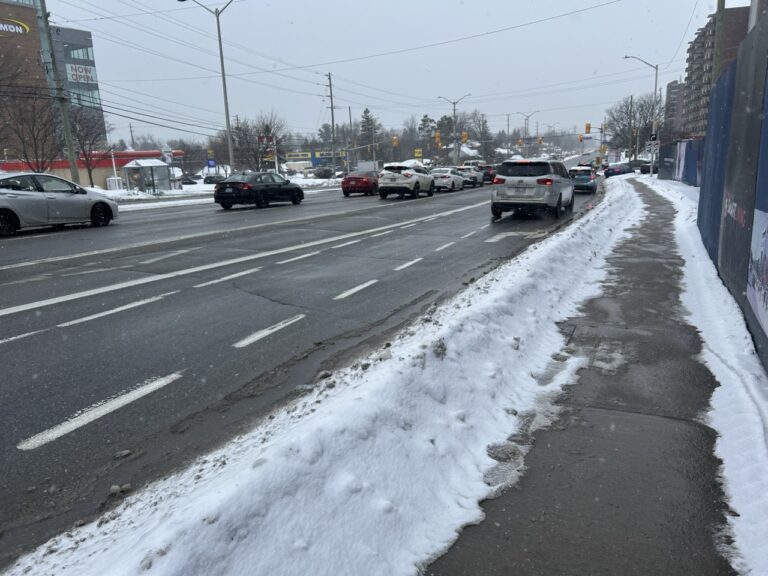
While the $18.5 million project was projected to be completed by fall 2026, that now seems unlikely.
The project was part of the permanent transit fund which was supposed to start dispersing money in 2026. However, the money has since been placed in the larger Canadian infrastructure fund. There is now a bit of ambiguity around the project, with transit projects potentially having to compete with infrastructure projects for funding.
The city had been moving forward to apply for the funding it needs, and putting money aside for this year’s budget, although the future of the project is now in doubt.
“Cities are not sure now what that means because are we gonna be competing for dollars with things like wastewater projects or other kinds of infrastructure projects? The transit fund was exclusively transit competing with other transit projects. Now it’s in this big sort of unknown”, said Johnson.
Conclusion
The city of Ottawa’s transit system has received a lot of criticism for the inconsistent service it has provided its users. Isolated issues such as bus congestion, unreliable train wheel bearings and depleting fleet numbers are making growth projects harder and more necessary than ever before.
Gower cited areas that are expecting a huge growth in population, commerce and transit needs as heavy investment targets for the city.
“The city’s transportation planners have set some targets. Those targets are higher in more built up areas like downtown, lower in the suburbs (and) medium in areas like around Algonquin College,” says Gower. “But it is a priority.”
As the city strives for future targets and ridership numbers, councillors are trying to nurse an ailing transit experience, during construction and budget plans.
“What’s tough about this job is that you’re often making decisions not just for current residents, but for residents in the future,” Johnson says. “And then the transit thing is really tough because my residents that live right on baseline or adjacent communities might be really anxious about the change.”